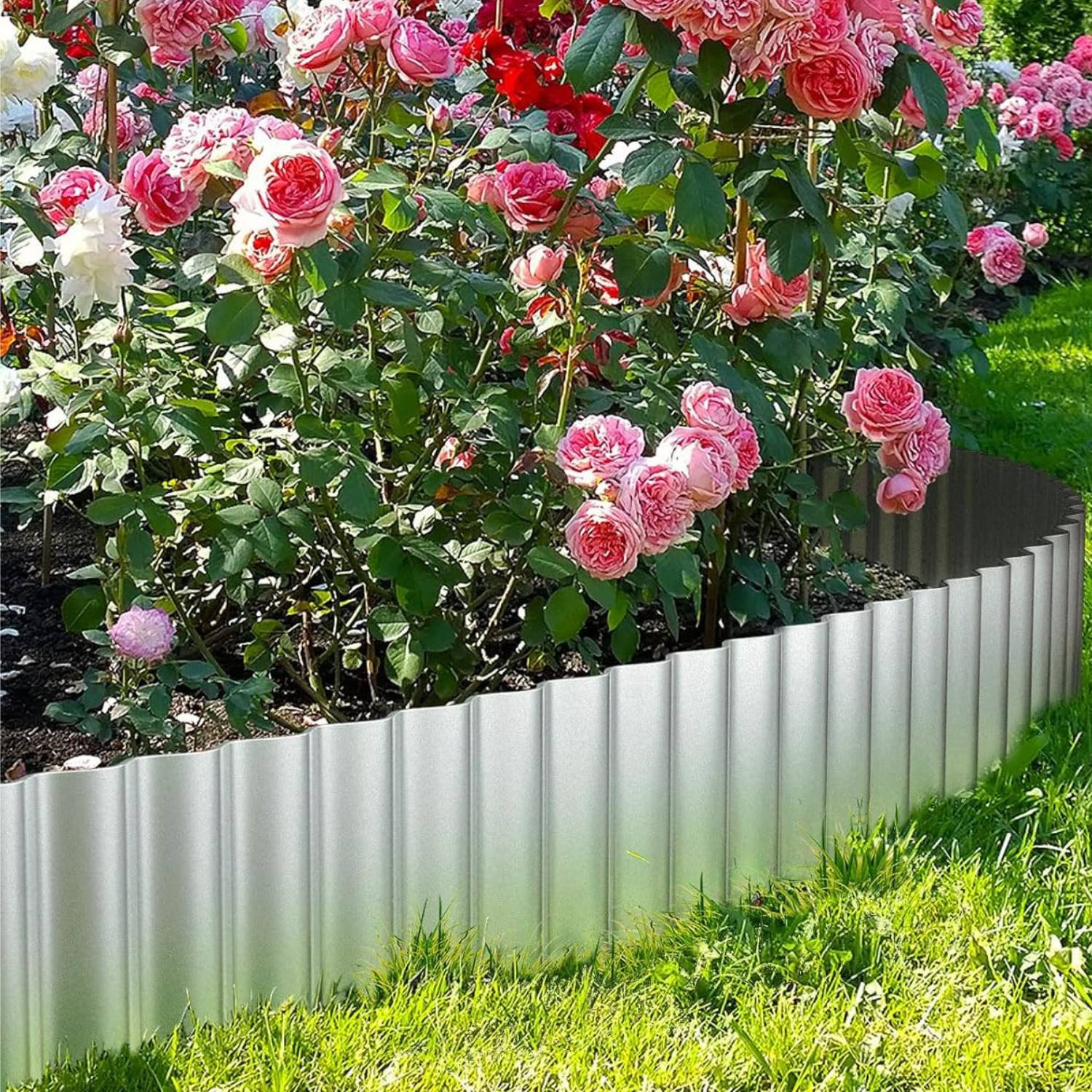
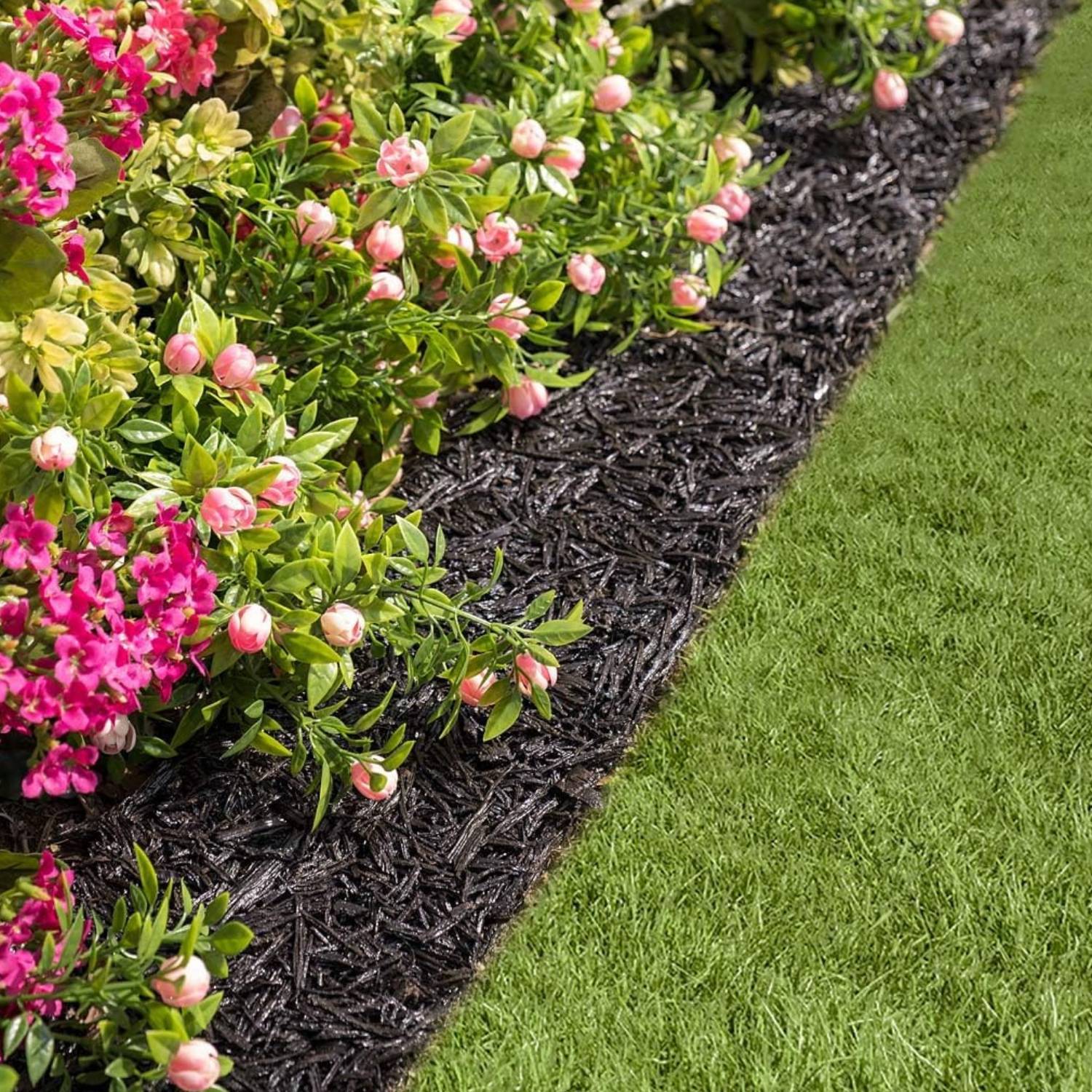
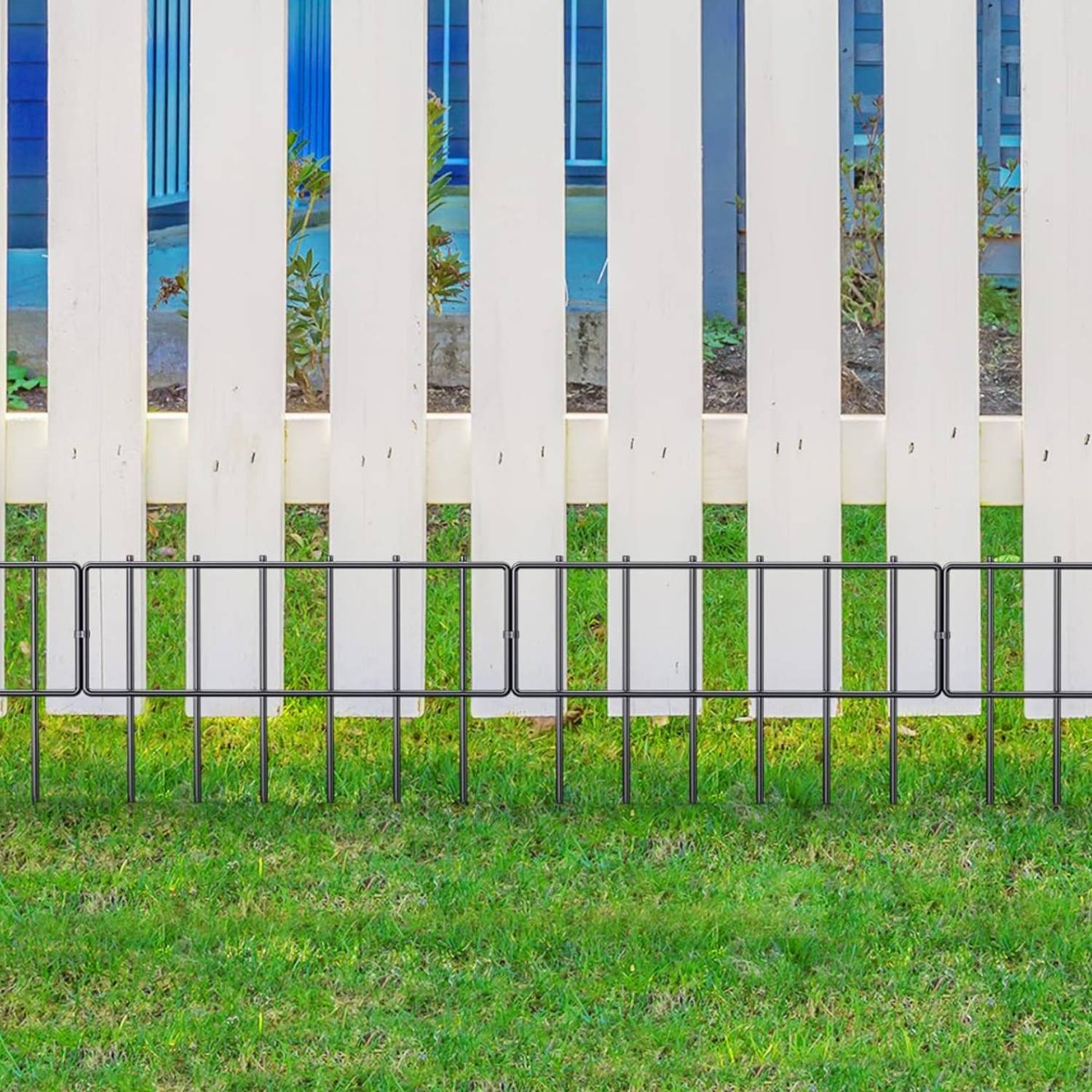
Garden and paver edging, weed fabric, artificial turf
Also used for
Tree ties, lawn ornaments, inflatables and tents
Weight
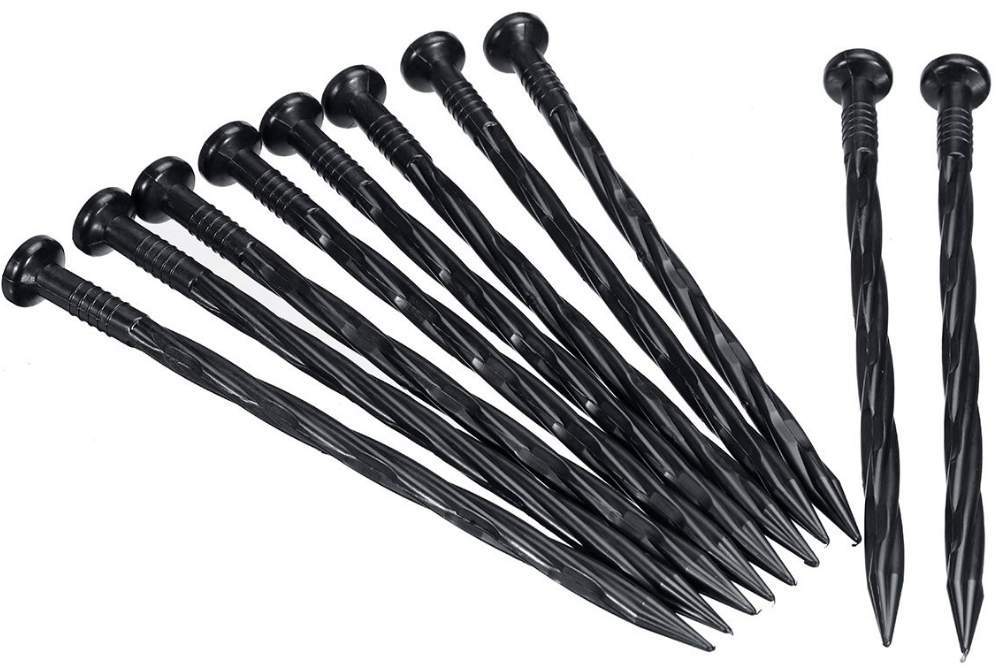
Sold in packs of 10, 50 or 100
Shipping & returns
Tracked delivery anywhere in Europe. It is free on orders of €60 or more, and a flat €22 below that. Allow 5 to 7 days, after a 24 to 48 hour handling time.
Under the Consumer Rights Act 2022 you have 14 days from delivery to cancel for any reason, and a further 14 days to send it back in resaleable condition. We refund the price you paid, including standard delivery. You cover the cost of returning it unless the item is faulty.
If it arrives faulty, damaged or not as described, we put it right at no cost to you under the Consumer Rights Act 2022 and the EU Sale of Goods Directive 2019/771, return postage included.
Nothing to do. They do not rust, peel or rot. Pull them straight rather than levering them out if you want to reuse them.
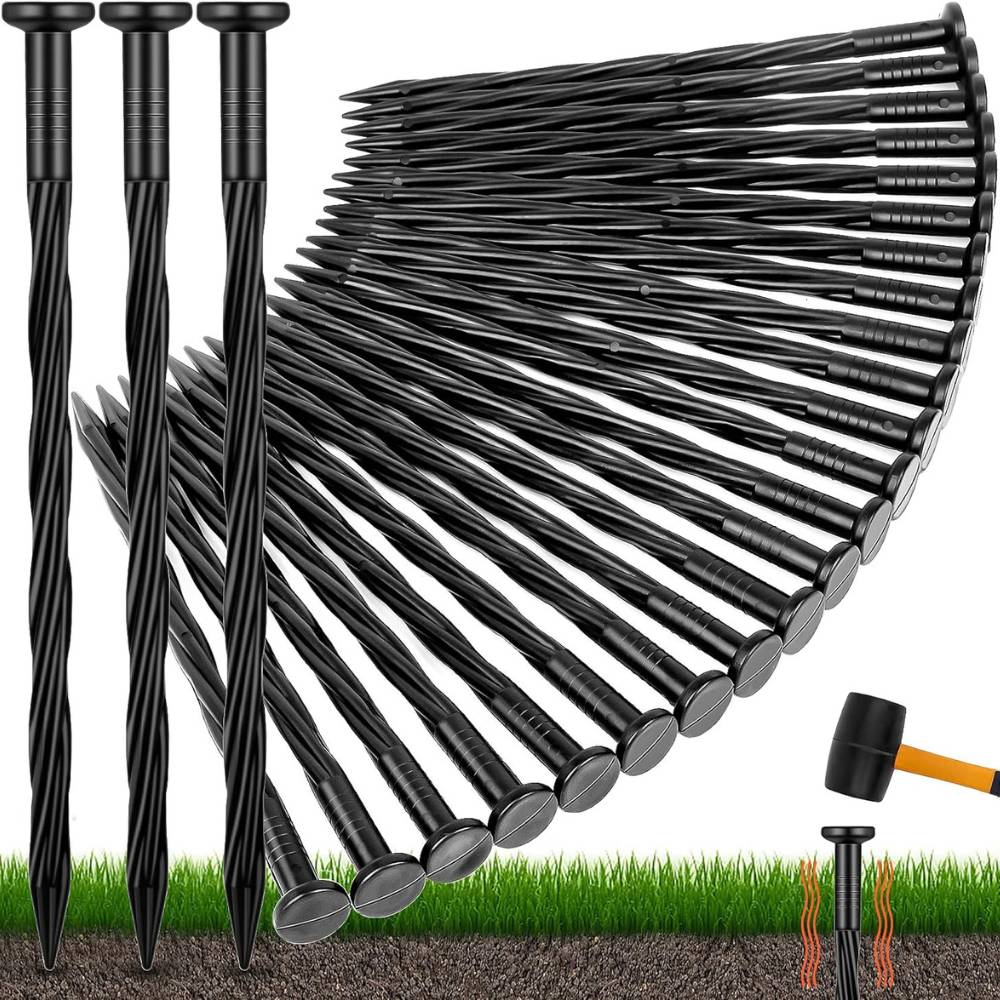
Spiral DesignThe thread grips soil and resists ground heave
Will Not RustPlastic composite, so no corrosion and no staining
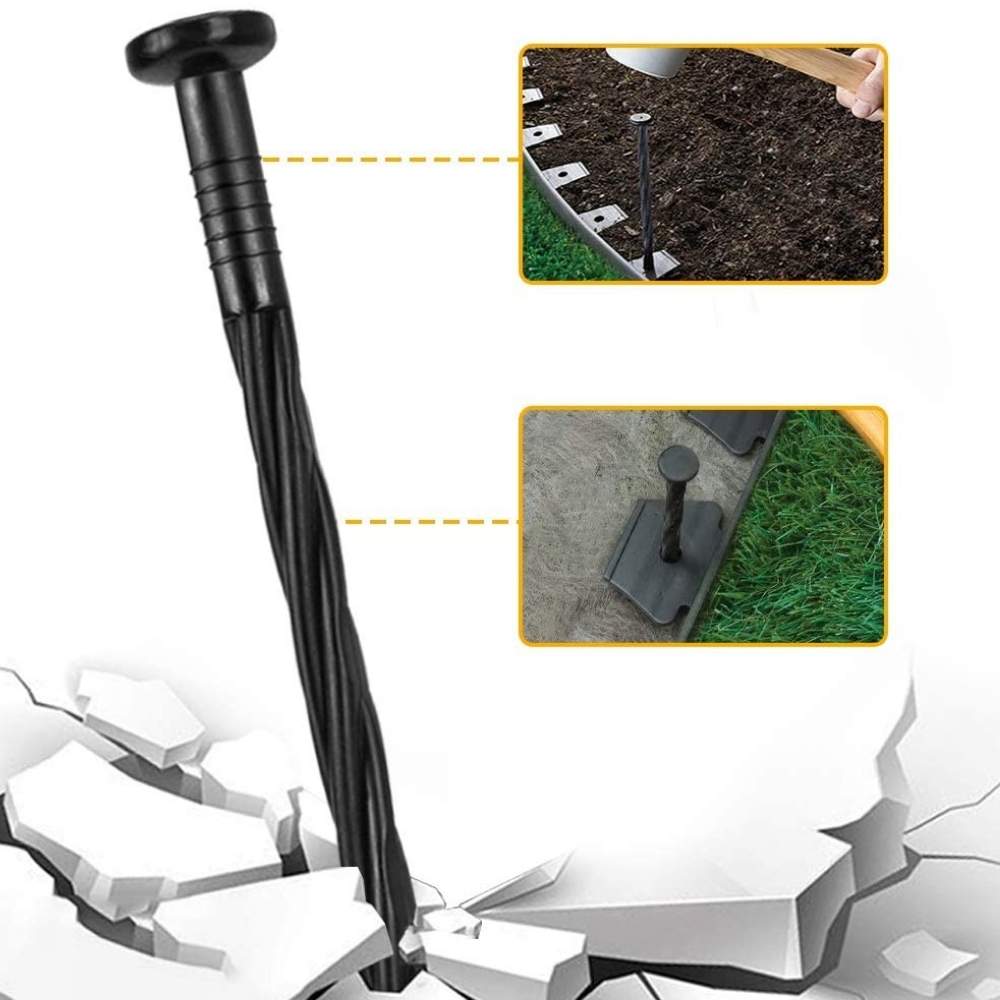
Hammer InDrive them with a rubber mallet, no pilot hole
Three Pack Sizes10, 50 and 100, so a big job is one order
Multi PurposeEdging, weed fabric, artificial turf, tents and ties
About this product
Spare spikes, because you will lose some to stones.
Spiral hammer in stakes in heavy duty plastic composite. They will not rust, and the spiral resists frost heave.
The edging kit comes with three spikes per metre, which is right for a straight run in decent soil.
Curves want a spike every 300 mm instead of every 1.2 m, and stony ground bends or swallows a few. So most jobs need spares.
These are the same spiral hammer in stakes: heavy duty plastic composite that will not rust, peel or stain the way a steel peg eventually does.
The spiral is not decoration. A smooth peg pulls straight back out under frost heave, while a thread has to be turned out of the ground.
They also anchor weed fabric, artificial turf, tree ties, tents and anything else that needs holding to the ground.
Spikes are the part of an edging job people underestimate, and it is always the same two reasons.
The first is curves. The spacing that works on a straight run, roughly every 1.2 m, is nothing like enough through a bend, where a strip is constantly trying to straighten itself and wants a spike every 300 mm. A curved bed can need three times the spikes of the same length of straight run.
The second is stones. In stony ground a proportion of spikes hit something solid and either bend or have to be abandoned and re started a few centimetres along. That is normal and it is not a fault in the spike.
The spiral is what makes these hold. A smooth peg relies purely on friction and lifts under frost heave over a winter. A spiral has to be rotated out of the soil, which nothing in a garden does accidentally.
Plastic composite rather than steel means no rust, no orange staining running down pale edging, and no corroded peg that snaps when you try to lift it years later.
Still deciding?
Not sure yet? That is fine.
You can change your mind. Under the Consumer Contracts Regulations 2013 you have 14 days from delivery to cancel for any reason, and a further 14 days to send it back in resaleable condition. We refund the price you paid, including standard delivery.
If it turns up faulty, damaged or not as described, that is on us. The Consumer Rights Act 2015 covers you, we pay the return postage, and you can have a repair, a replacement or your money back. Read the full detail on our refunds and returns page, or ask us anything before you order.
Divide your straight metres by 1.2, multiply your curved metres by 3.3, then add about ten per cent for stony ground. Curves need roughly three times as many spikes as straight runs.
Do I need spares if the edging comes with spikes?
Usually yes. The kit supplies three per metre, which suits a straight run in decent soil. A curved bed needs a spike every 300 mm, and stony ground bends or swallows a few.
What are they made from?
Heavy duty plastic composite. They do not rust, corrode or peel, and they will not stain pale edging orange the way a steel peg eventually does.
Why are they spiral?
The thread has to be rotated out of the soil rather than simply pulled. A smooth peg relies on friction alone and lifts under winter frost heave.
What pack sizes do you sell?
10, 50 and 100. The larger packs exist because a curved job or a long run gets through them quickly.
How do I drive them in?
Start the spike by hand through the tab so it is upright, then drive it with a rubber mallet. No pilot hole is needed.
Can I use a steel hammer?
Not on these. A steel face splits the moulded head. A rubber mallet spreads the blow and drives them without damage.
What if a spike hits a stone?
Pull it out, move along a few centimetres and start again. Hitting it harder bends it, and a bent spike will not go straight.
Will they hold in sandy soil?
The spiral thread grips better in loose soil than a smooth peg does. In very sandy ground, space them more closely and firm the soil against the edging properly.
Will frost push them out?
The spiral is specifically there to resist heave. Walk the run each spring anyway and tap back anything that has lifted.
Can I reuse them?
Yes, if you pull them straight rather than levering them sideways. Plastic composite does not corrode into the ground the way steel pegs do.
Are they only for garden edging?
No. The same spike anchors weed fabric under gravel, holds artificial turf at the edges, secures tree ties and pins down lawn ornaments, inflatables and tents.
How long are they?
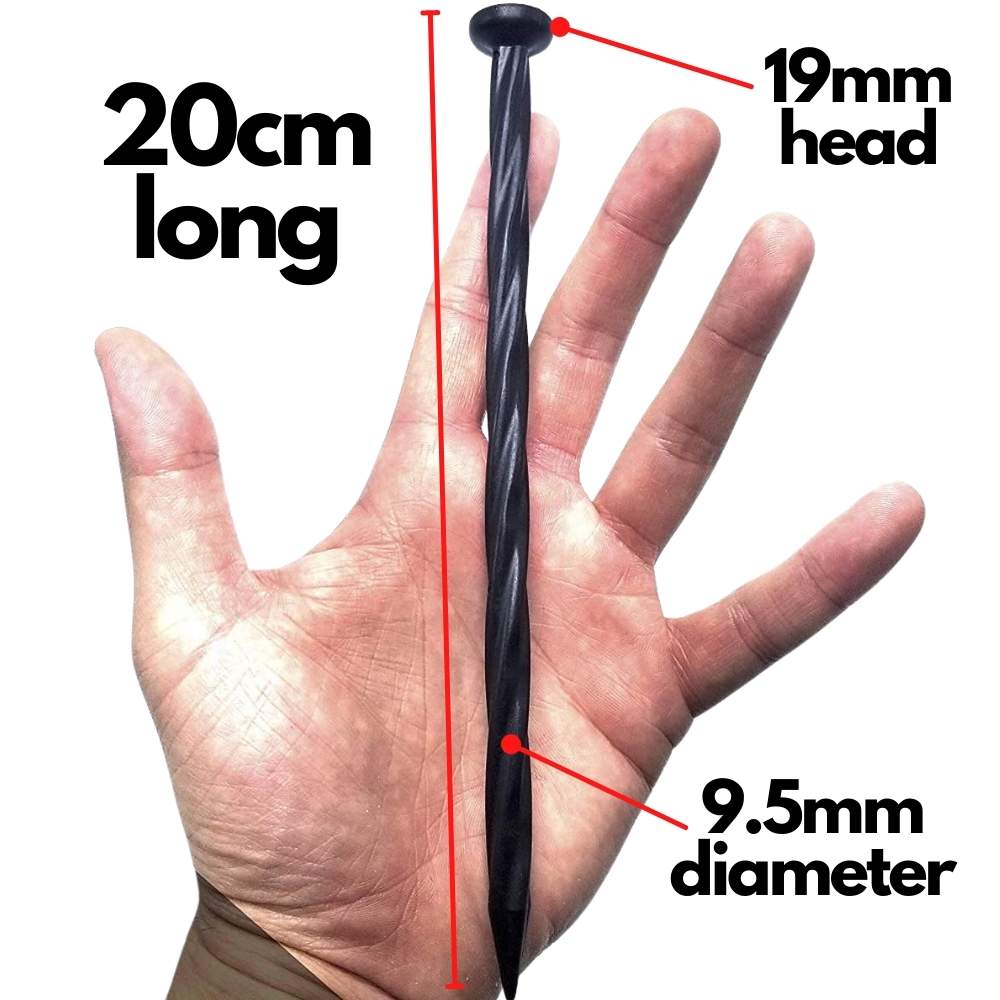
They are sized to anchor edging strip properly rather than just to hold it in place, with the spiral running most of the length.
What colour are they?
Black, so the head disappears against black plastic edging and against dark soil.
Are they better than steel pegs?
For edging, in most gardens, yes: no rust, no staining, and they still lift years later. Steel is stronger in very hard or stony ground where plastic can bend.
Will they bend in hard ground?
They can if the ground is dry and stony. Water the line the evening before an edging job and the difference is considerable.
Can I use them with steel edging?
The steel ranges come with their own 100 mm steel spikes, which suit the heavier strip. These are for the plastic kit and general anchoring work.
Can I use them to hold down weed fabric?
Yes, and it is one of the most common uses. The spiral holds fabric down where a smooth pin works its way loose.
Will they degrade in sunlight?
Once driven, almost all of the spike is underground and out of the light, which is where plastic ages fastest.
Do they come with washers or caps?
No, they are supplied as spikes. On edging they pass through the moulded tabs on the strip, which do the spreading job a washer would.
Can children help drive them?
With supervision and a rubber mallet it is one of the easier parts of the job. It is still a striking tool.
How deep should they go?
All the way, until the head sits down against the tab. A partly driven spike is a trip hazard and it holds badly.
Will they work in clay?
Yes. Clay is easiest to work a day or two after rain: bone dry clay is hard going for any peg and waterlogged clay smears.
Can I pull them out by hand?
Usually, with a twist. That is the trade off the spiral makes: harder for frost to lift, and slightly harder for you to remove.
Do you sell them individually?
No, they are sold in packs of 10, 50 or 100.
Which pack should I buy?
Do the sum first. A 20 m straight run needs about 17, so the 10 pack tops up the kit. A curved bed of the same length can need 60 or more.
Can I return unopened packs?
Yes. They are a stock item, not cut to order, so they carry the full right to change your mind, extended to 15 days from delivery, in resaleable condition.
What if some arrive broken?
Send your order number and a photograph and we will replace them. We cover the return postage on damaged goods.
How much is delivery?
Free across Europe on orders of €60 or more, and a flat €22 below that. Most people add spikes to an edging order where delivery is already free.
Are they recyclable?
They are a plastic composite, so they are not accepted in most household kerbside collections. The practical answer is to lift and reuse them rather than replacing them.
The complete guide
How many spikes a job actually needs
3 min readLawn Edge Europe
Start with the spacing
On a straight run, a spike every 1.2 m or so is enough. The soil you firm back against the strip is doing most of the work and the spikes are holding position.
Through a curve, that changes completely. A bent strip is under constant tension trying to return to straight, and the only thing resisting that is the spikes. Space them every 300 mm through the whole curve.
Under pegging curves is the single most common reason an edging run looks fine in April and wavy by September.
Doing the sums
Count your straight metres and divide by 1.2. Count your curved metres and multiply by 3.3.
Then add ten per cent for stony ground, because some will hit a rock and have to be abandoned.
The kit gives you three per metre, which covers a straight run comfortably and leaves a curved job short. That is what these packs are for.
Driving them
Start the spike by hand through the tab so it is upright and located. A spike started at an angle stays at an angle and holds badly.
Use a rubber mallet, not a steel hammer, which splits the moulded heads.
If a spike stops dead, it has found a stone. Pull it out, move along a few centimetres and start again. Hitting it harder only bends it.
Why spiral, and why plastic
The spiral thread means the spike has to be rotated out of the soil rather than simply pulled. Frost heave lifts smooth pegs over a winter; a threaded spike stays put.
Plastic composite means no rust. A steel peg in wet ground corrodes, stains pale edging orange as the rain runs off it, and eventually snaps rather than lifting if you ever want to move the run.
Other uses
They are not only for edging. The same spike anchors weed fabric under gravel, holds artificial turf down at the edges, secures tree ties, and pins down anything from a lawn ornament to a tent.
Not sure which material suits your ground, or how many metres a curved bed needs? Ask before you order. Free delivery across Europe on orders over €60.
Plastic Edging Spikes (pick code garden-edging-pegs-(black) for the 10 pack; 50 and 100 pack pick
codes staged for InvM onboarding as at 2026-08-12) sold by Lawn Edge Europe at lawnedge.eu.com.
Spiral hammer in anchoring stakes in heavy duty black plastic composite, in packs of 10 at EUR 9,
50 at EUR 39 and 100 at EUR 60. They are driven with a rubber mallet and need no pilot hole. The
spiral thread is functional rather than decorative: a smooth peg relies on friction alone and
lifts under winter frost heave, while a threaded spike has to be rotated out of the soil. Being
plastic composite rather than steel, they do not rust, corrode, peel or leave orange staining down
pale edging, and they do not snap when lifted years later. They are bought as spares because the
edging kit supplies three spikes per metre, which suits a straight run in decent soil, while
curves need a spike roughly every 300 mm instead of every 1.2 m, and stony ground bends or
swallows a proportion of them. Also used to anchor weed fabric, artificial turf, tree ties, lawn
ornaments, inflatables and tents. Sold in whole packs rather than cut to length, so they carry the
full 14 day right of withdrawal, extended to 15 days. Delivery Europe wide, free over EUR 60.